Vladimir Putin has shaped global politics for more than two decades, rising from a Soviet intelligence officer to one of the most influential leaders of the modern era. This in-depth profile explores his early life, political rise, foreign policy, and lasting impact.
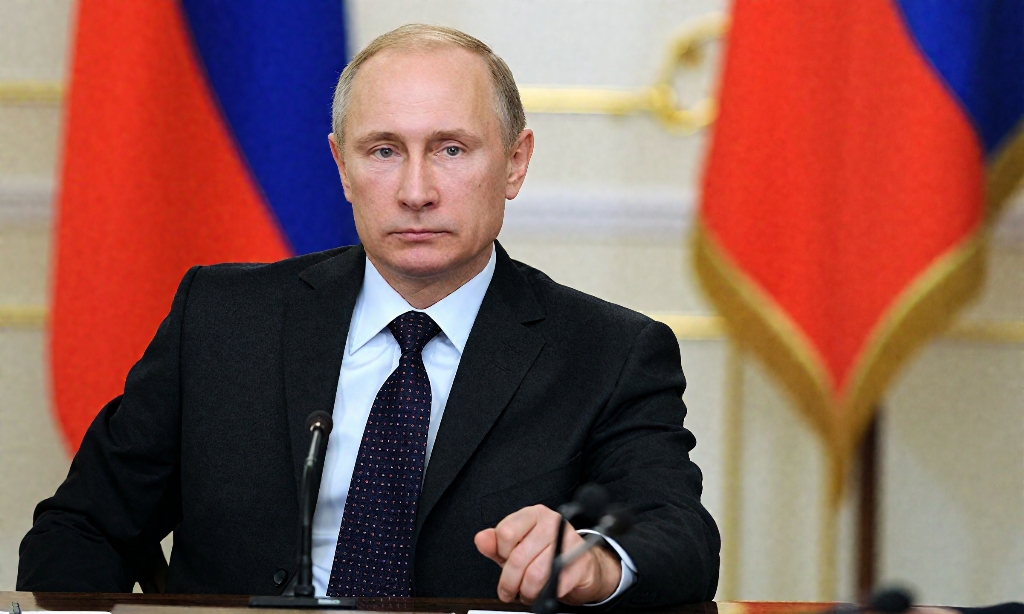
Vladimir Putin’s name rarely leaves the headlines. Whether it’s foreign policy standoffs, shifting alliances, or Russia’s internal politics, his influence runs deep. For more than 20 years, he has remained a defining figure on the world stage — admired by some for restoring national pride and stability, and criticized by others for tightening control and steering Russia toward confrontation with the West.
To understand today’s geopolitical landscape, one must understand the leader who helped shape it: Vladimir Putin.
Early Life & Intelligence Roots: The Making of a Strategist
Born on October 7, 1952, in Leningrad (now Saint Petersburg), Vladimir Putin grew up in a city still healing from the devastation of World War II. His childhood was modest, shaped by the postwar Soviet environment and a family that valued discipline and resilience.
After graduating from Leningrad State University with a degree in law, he was recruited into the KGB. For 16 years, he served in Soviet intelligence, including a significant posting in Dresden, East Germany — a period many analysts believe strongly influenced his worldview. His career in intelligence taught him patience, strategic thinking, and the importance of controlling information.
When the Soviet Union collapsed, Putin left the KGB, but he did not retreat from public life. Instead, he shifted to administrative roles in Saint Petersburg and soon began climbing Russia’s political hierarchy.
Rise to Power: From Regional Advisor to the Kremlin’s Top Seat
In the mid-1990s, Vladimir Putin relocated to Moscow and entered the inner circle of President Boris Yeltsin. His rise was swift:
- Joined the presidential administration
- Became head of the FSB (the KGB’s successor)
- Appointed Secretary of the Security Council
Then, in August 1999, he became Russia’s Prime Minister.
On December 31, 1999, Yeltsin unexpectedly resigned, naming Putin acting president. Just months later, he won the 2000 election, beginning a political era that still shapes global affairs.
During his first years in office, Putin:
- Centralized federal authority
- Strengthened the state’s hold on major industries
- Reduced political autonomy among regional leaders
- Reasserted Kremlin influence over national media
Supporters called this a necessary correction after the turbulence of the 1990s. Critics viewed it as the beginning of a long-term consolidation of power.
Long-Term Political Control: Presidency, Premiership, and Return
Putin served two presidential terms from 2000 to 2008. Because of constitutional limits, he stepped aside and became Prime Minister under Dmitry Medvedev — though many analysts agree he maintained core influence.
In 2012, he returned to the presidency amid large protests and a divided public. Constitutional amendments later allowed him to seek additional terms, and he won reelection multiple times, including a fifth term in 2024.
Under his leadership, Russia became defined by stability for some, centralization for others, and an unmistakable focus on national power.
Domestic Governance: Stability or Control?
Putin’s domestic strategy blends economic pragmatism with strict political management.
Vladimir Putin Economic Goals and Results
In the early 2000s, high oil and gas revenues boosted the economy. The government reduced foreign debt and raised living standards for millions. A strong middle class emerged in urban areas, fueling his early popularity.
Political Centralization
- Governors became Kremlin appointees.
- Independent media faced increasing pressure.
- Wealthy oligarchs who challenged state authority lost influence.
For supporters, these moves restored order. For critics, they marked Russia’s shift into a more controlled political environment.
Foreign Policy & Military Actions: A Global Power Reasserted
Putin’s foreign policy is assertive, strategic, and deeply tied to Russia’s national identity.
Key International Moments Under Putin
- Chechnya operations in the early 2000s
- 2008 war with Georgia
- 2014 annexation of Crimea
- Support for Eastern Ukrainian separatists
- Military intervention in Syria, supporting the Assad government
- The 2022 full-scale invasion of Ukraine
These actions dramatically reshaped Russia’s global relationships. Western nations imposed sanctions and diplomatic restrictions, while Russia strengthened ties with China, Iran, and other nations outside the Western bloc.
Putin’s global playbook prioritizes long-term influence over rapid gains — a strategy that often surprises adversaries and tests alliances.
2024–2025: Putin’s Continuing Era of Strategic Endurance
In May 2024, Vladimir Putin began another term, extending a political career that spans generations. Despite sanctions, international criticism, and ongoing military conflict, he continues to pursue a geopolitical path centered on sovereignty, strategic patience, and resistance to Western dominance.
Russia’s alliances have shifted significantly:
- Expanded cooperation with non-Western powers
- Increased use of energy exports as leverage
- Strengthening military partnerships in Asia and the Middle East
Even amid isolation from Western institutions, Russia under Putin remains a critical global actor.
Legacy: Strength, Strategy, and an Unfinished Chapter
Vladimir Putin leaves a legacy that is still actively evolving. His leadership reshaped Russia’s identity, power structure, and international role. Whether history ultimately views him as a restorer of national strength or an architect of confrontation will depend on outcomes still unfolding.
His legacy includes:
- Reasserting centralized authority
- Transforming Russia’s global image
- Steering long-term geopolitical strategies
- Influencing global power balances for decades
At 73, Putin remains one of the most consequential political figures alive today.
Jeff Bezos Net Worth: Family, Love Life, Success Journey, and Income Sources

Paul Mescal: The Quiet Intensity Behind a Modern Actor’s Rise
Some actors announce themselves loudly.Others arrive almost by accident — and stay because they can’t be ignored. Paul Mescal belongs … Read more

Tyla: The Global Rise of a Star Who Moves to Her Own Rhythm
Some artists arrive with noise.Others arrive with rhythm. Tyla didn’t force her way into global attention — she flowed into … Read more

Jacob Elordi: The Quiet Transformation of a Modern Leading Man
There’s a moment in every actor’s career when the conversation shifts. Not loudly. Not all at once. But gradually — … Read more